Seedance 2.0 Copyright Controversy Guide
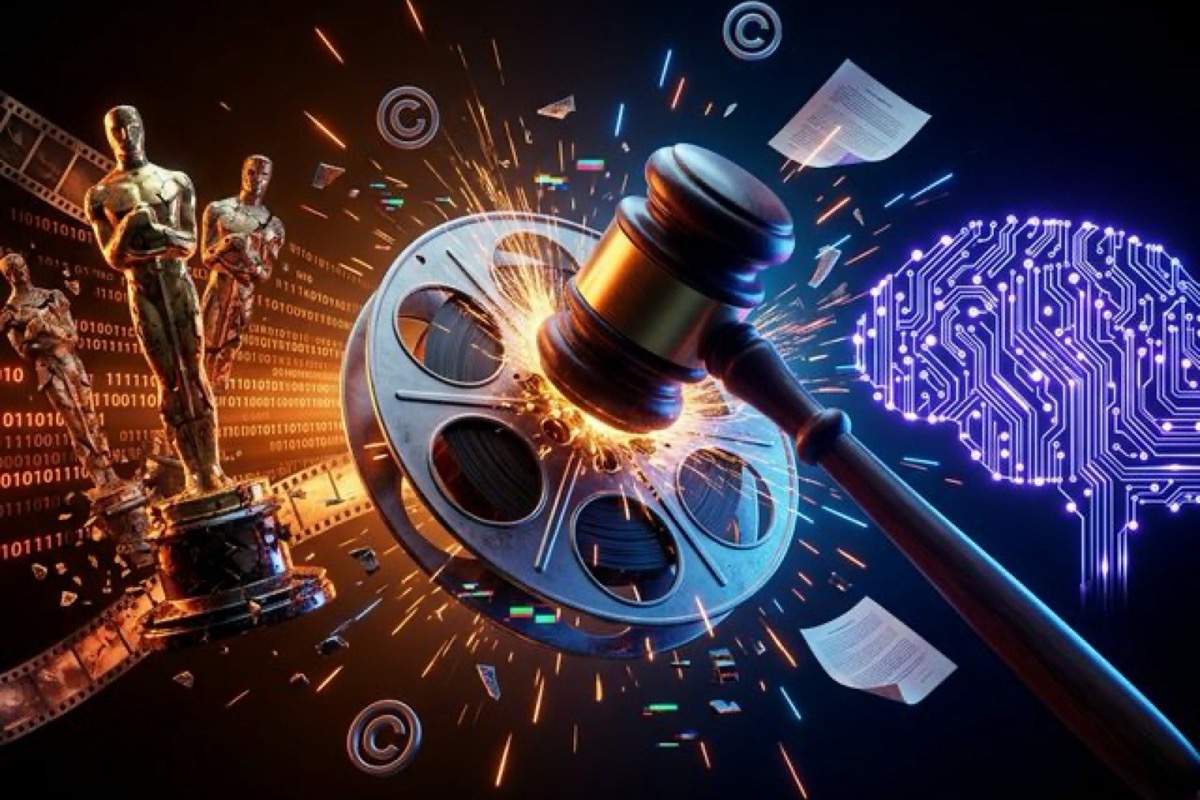
Hollywood vs ByteDance — the Seedance 2.0 copyright dispute explained. Understand your legal risks and how back-end creators stay protected.
When ByteDance unleashed Seedance 2.0 in early 2026, the internet erupted. Within days, AI-generated videos depicting Marvel heroes, Star Wars characters, and photorealistic depictions of A-list actors flooded social media. Hollywood's response was swift—and furious.
This article breaks down exactly what happened, why it matters legally, and what it means for you as a creator.
What Triggered the Controversy?
Seedance 2.0 is a multimodal AI video model capable of generating cinematic footage from text, images, audio, and reference videos. Its outputs are startlingly realistic—realistic enough that clips depicting Tom Cruise, Brad Pitt, and characters from Stranger Things and the MCU went viral almost immediately after the model's limited China beta launched in February 2026.
The reaction from the entertainment industry was immediate:
- The Motion Picture Association (MPA) accused ByteDance of "massive-scale unauthorized use of US copyrighted works" and demanded an immediate halt.
- SAG-AFTRA, the actors' union, condemned the tool as a direct threat to actors' livelihoods and right of publicity.
- The Walt Disney Company and Paramount Skydance issued cease-and-desist letters, citing "blatant infringement" of their intellectual properties.
- US Senators Marsha Blackburn and Peter Welch urged ByteDance to shut the model down entirely, warning that it could replicate million-dollar film shots for next to nothing.
ByteDance responded by pledging to "enhance safeguards" — but the global rollout, originally planned for mid-March 2026, was reportedly delayed as a direct result of this pressure.
The Three Core Legal Issues
1. Copyright in AI-Generated Output
The US Copyright Office has consistently held that works created solely by AI — without meaningful human creative input — are not eligible for copyright protection. This was reaffirmed in guidance updated through 2024–2025 and in the precedent-setting Thaler v. Perlmutter ruling.
However, this cuts both ways. If an AI generates content that reproduces elements of a human-authored copyrighted work (say, a scene visually identical to a Star Wars sequence), the output may constitute copyright infringement, even if no one typed "copy Star Wars" into the prompt.
Practical takeaway: If your prompt is designed to reproduce recognizable scenes, characters, or aesthetics from specific franchises, you may be generating infringing content — regardless of whether you own the output.
2. The Right of Publicity: Using Real Faces
Generating photorealistic video of a real, living person — especially a celebrity — without their consent touches on a separate and equally serious legal area: the right of publicity.
This right, recognized in most US states and many jurisdictions worldwide, protects individuals from having their name, likeness, or voice used for commercial purposes without permission. AI-generated depictions of Tom Cruise or Brad Pitt in fictional scenarios don't sidestep this law — they likely violate it.
Practical takeaway: Do not use Seedance 2.0 (or any AI video tool) to generate videos featuring real celebrities without clear consent or licensing. The viral entertainment value is not worth the legal exposure.
3. Training Data Litigation
A quieter but equally significant battleground concerns whether AI models like Seedance 2.0 were trained on copyrighted material without authorization. Lawsuits like The New York Times v. OpenAI/Microsoft are still working their way through courts, with "fair use" as the central contested doctrine.
ByteDance has not publicly disclosed the full composition of Seedance 2.0's training dataset. Until courts clarify these boundaries, the legal status of AI models trained on scraped internet content remains genuinely unsettled.
What Can Creators Actually Do — Safely?
The legal fog is real, but it doesn't mean you're paralyzed. Here are the practical guardrails:
| ✅ Likely Safe | ⚠️ Gray Area | ❌ High Risk |
|---|---|---|
| Original characters you designed | Heavily stylized celebrity parody | Photorealistic celebrity likenesses |
| Generic cinematic scenes | Scenes "inspired by" specific films | Direct recreation of copyrighted IP |
| Your own footage as reference | Loosely branded aesthetics | Named franchise characters |
| Abstract / fictional worlds | Historical figures in new contexts | Commercial use of star likenesses |
The key principle: substantial creative originality is your shield. The more your prompt and output diverge from existing protected works, the safer you are.
ByteDance's Response and What Comes Next
ByteDance has committed to improving content filters and safeguards within Seedance 2.0. The company is, in essence, walking a tightrope: the model's viral success was partly because of how well it reproduced recognizable IP — but that same capability is precisely what triggered the legal firestorm.
Globally, legislators are watching. The EU's AI Act, effective 2024, is expected to introduce explicit copyright disclosure requirements for generative AI through forthcoming amendments. US Congress is actively debating similar frameworks.
The short version: the rules are being written in real time. Staying ahead of them means understanding why this controversy happened, not just that it did.
Ready to Create — the Right Way?
Understanding the legal landscape shouldn't deter you from creating. It should focus your creativity on what's genuinely yours to make.
👉 If you're outside China and want to start experimenting with Seedance 2.0 legally and responsibly, read our guide: How to Use Seedance 2.0 Outside China →
👉 Curious about the viral Brad Pitt vs. Tom Cruise video that started this whole debate? We break down the technical side: The Pitt vs. Cruise AI Video: What Seedance 2.0 Actually Did →
The information in this article is for educational purposes only and does not constitute legal advice. Consult a qualified attorney for guidance specific to your situation.
More Posts

Social Frontier: Viral AI Shorts with Grok & Seedance
Explore the 'Audio-Visual' era of social media. Learn how to combine Grok's real-time creative sparks with Seedance's professional cinematic control.

Hybrid Workflow: Local Control to Seedance Rendering
Master the hybrid workflow. Use ComfyUI and local models for precise skeleton control, then leverage Seedance 2.0 to achieve cinematic 2K finish.

Multimodal Masterclass: Universal Reference Guide
Deep dive into using the Universal Reference system with up to 12 files to precisely control camera work and character motion.